
Italian marble is renowned for its durability, luxury, and timeless elegance. From ancient historical temples to modern skyscrapers, there are countless architectural marvels. The exquisite natural stone is sustainable and eco-friendly marble. The natural stone plays a vital role in construction and design.
What is the meaning of “sustainable” and “eco-friendly” marble?
The sustainable and eco-friendly marble means practices to minimize the environmental impact associated with quarrying the marble; processing includes cutting, finishing, polishing, and transporting the marble from the quarry place to the supplier and from the supplier to the end user place. These all require ethical labor practices. It ensures the beauty of marble and an unacceptable cost to future generations.
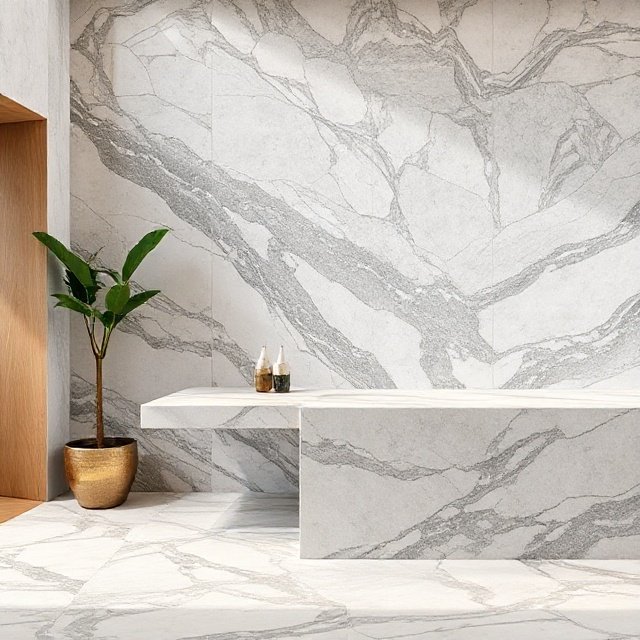
Here are some of the cautions that must be followed by the suppliers.
- Responsible Quarrying: The suppliers must implement methods that reduce waste, preserve natural landscapes, and manage water resources efficiently.
- Energy-Efficient Processing: One must use high-end machinery and techniques that consume less energy during cutting, polishing, and finishing the marble.
- Recycling and Upcycling: It is necessary to give a new life to marble scraps, offcuts, and even demolition waste.
- Ethical Labor: One should ensure fair wages, safe working conditions, and no exploitation within the supply chain.
- Reduced Transportation Impact: It is advised to source locally where possible and optimize logistics to lower carbon emissions.
The Rise of Sustainable Marble Practices
The industry is responding to growing consumer demand for greener products. This manifests in several key areas:
Reclaimed and Recycled Marble
The reclaimed and recycled marble are trending nowadays. This involves reclaiming the marble from historical places, old buildings, or even large-scale construction projects. These pieces are then meticulously cleaned, cut, and repurposed for new applications, significantly reducing the demand for newly quarried stone and minimizing landfill waste. The reclaimed marble are often unique and add a distinct character that new stone cannot replicate.
Advanced Waste Reduction Technologies
The processing units and quarries are investing in advanced technologies and new methods to maximize the output from each block of marble. For instance, the precise cuts of marble will minimize the marble wastage. Also the marble dust and historical waste products are used for various applications like for concrete, artistic mediums, and soil amendments.
Certifications and Traceability
Many organizations to have transparency and accountability are developing a certification for a natural stone. These certificates depict the origin and purity of marble. This helps the consumers and business partners to decide and identify brands of sustainable and eco-friendly marble that follow environmental and ethical guidelines. The buyers will be able to understand the entire journey of marble from the quarry to the installation process.
Applications: Sustainable and Eco-Friendly Marble
Sustainable marble has various applications that prove the eco-consciousness and not compromising with the quality and aesthetic look.
- Flooring: The most popular application of eco-friendly marble is for flooring for both commercial and residential spaces. The timeless appeal and durability make it a unique and long-term investment, and it also helps in enhancing the sustainability of marble.
- Countertops and Vanities: The recycled marble can be used for kitchen countertops and bathroom vanities, as it has a unique pattern and is durable in nature.
- Decorative Elements: The recycled marble can be used for sculptures and decorative items to minimize the waste.
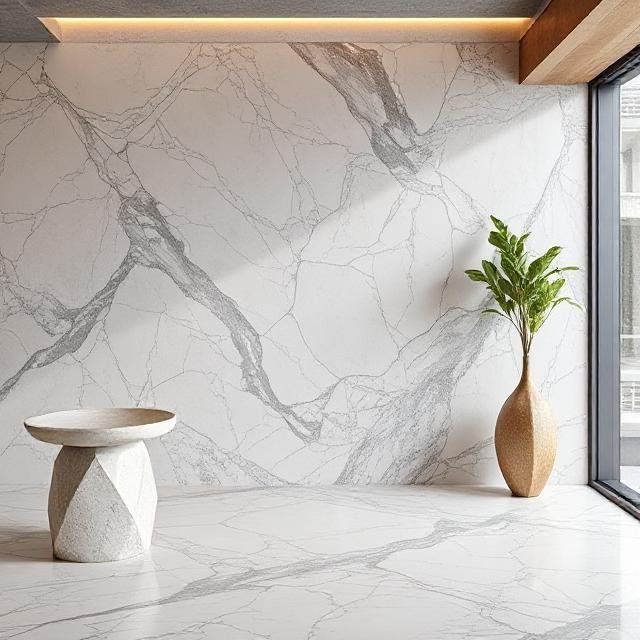
Price sustainable and eco-friendly marble
The initial price of sustainable and eco-friendly marble is slightly costlier due to the specialized quarrying and processing process. The durability and timeless elegance of marble means fewer replacements over time. The environmental and ethical benefits of marble are that it is durable in nature, and the price of marble is slightly costly per square foot.
Where to buy sustainable and eco-friendly marble & online sustainable and eco-friendly marble?
There is a market for sustainable marble, and it is growing in India. There are reputable suppliers that offer the marble with high quality and at affordable prices. When you are looking to buy sustainable and eco-friendly marble, search online for sustainable and eco-friendly marble. It is hard to ask the suppliers about the sourcing practices, waste management, and certifications. You need to look for those companies who can demonstrate and explain clearly about the commitment towards environmental stewardship.
Reviews sustainable and eco-friendly marble
The homeowners are increasingly leaving positive reviews for sustainable and eco-friendly marble that not only highlights the aesthetics, look, and elegance but also the satisfaction of making the environmentally friendly product. Also, they will have peace of mind from knowing that the materials were sourced ethically.
Conclusion
The shift towards sustainable and eco-friendly marble represents a crucial evolution in the natural stone industry. It underscores a growing awareness that luxury and environmental responsibility are not mutually exclusive but can, in fact, enhance each other. By embracing responsible quarrying, efficient processing, and the creative reuse of materials, we can continue to enjoy the timeless beauty of marble while safeguarding our planet for generations to come. This commitment to sustainability is not just about choosing a material; it is also about making a statement about our values and our vision for a more harmonious future.
FAQs about Sustainable & Eco-Friendly Marble
Q1: Is sustainable marble truly as durable as conventionally quarried marble?
A1: Yes, absolutely. The sustainability aspect primarily relates to how the marble is sourced and processed, not its inherent physical properties. Reclaimed or ethically quarried marble maintains the same durability and longevity as any other high-quality marble.
Q2: How can I verify if a marble supplier is genuinely sustainable?
A2: Look for third-party certifications (though still emerging in the stone industry, some general environmental certifications may apply). Ask for detailed information on their quarrying and processing methods, waste management, and labor practices. Reputable suppliers will be transparent about their commitments.
Q3: Does sustainable marble come in a limited range of colors and patterns?
A3: Not necessarily. While reclaimed marble might offer a more curated selection based on available salvaged materials, newly quarried sustainable marble aims to offer a full range of aesthetic choices, aligning with the industry’s broader offerings.
Q4: Is sustainable marble more expensive than regular marble?
A4: The price sustainable and eco-friendly marble can sometimes be marginally higher due to specialized processes or the unique nature of reclaimed materials. However, the long-term value, durability, and ethical considerations often outweigh this initial difference. It’s an investment in quality and responsibility.
Q5: What are some specific Indian initiatives or brands promoting sustainable marble?
A5: While specific pan-India certifications dedicated solely to marble sustainability are still developing, many large Indian marble producers and exporters are adopting international best practices in waste reduction, water management, and ethical sourcing to meet global demand and contribute to local environmental stewardship. Look for companies that openly discuss their environmental policies. Platforms like tradeindia.com sustainable and eco-friendly marble can help you find such suppliers.

