
Italian marble is the renowned natural stone for its exquisite luxurious appeal, natural beauty, timeless elegance, and durable nature. The crystal-like appearance and delicate vein pattern on the marble stand out from other stones. It is quarried primarily from the Apuan Alps in Italy. Some of the famous Italian marble includes Calacatta, Statuario, and Carrara marble. They are popular due to their stunning look: a white base background with gray or gold veins free-flowing on the surface.
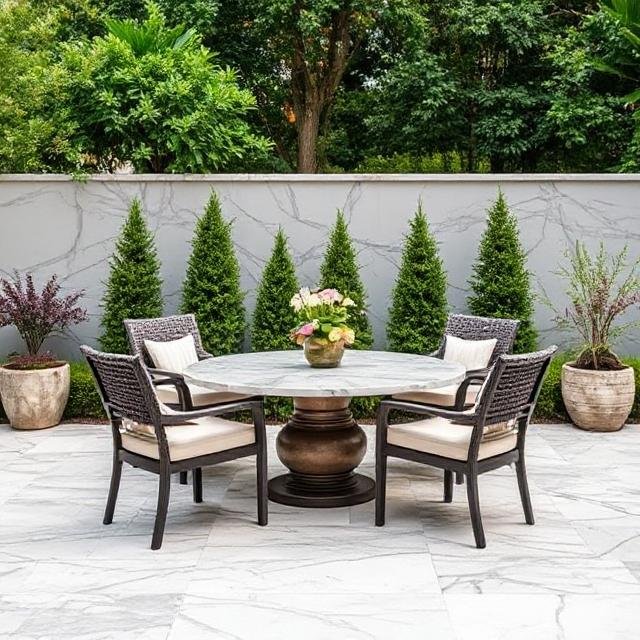
Pros and Cons of Italian Marble
Pros:
- Aesthetics: It is known for its unparalleled beauty, durability, heat resistance, high luster, and translucent quality.
- Prestige: It adds a touch of luxury and high-end value to any space, like commercial and residential projects.
- Variety: Italian marble offers distinct varieties like bold veining and feathery patterns, bold shades, and different patterns.
Cons:
- Softness: Italian marble is more porous than its Indian counterpart, making it prone to scratches and easily stained.
- Maintenance: It requires regular sealing and careful cleaning to maintain its shine and prevent damage and keep it intact for a long period of time.
- Cost: The Italian vs. Indian marble price difference is crucial. The price of Italian marble vs. Indian marble is considerably higher due to import costs, cutting, polishing, installation, craftsmanship charges, and much more.
Indian Marble: The Durable and Diverse Option
Indian marble is one of the best suitable materials for any kind of project, including residential and commercial spaces. It is quarried in India in some of the major cities like Rajasthan, Madhya Pradesh, and Gujarat. It is available in a variety of colors, vein patterns, and thicknesses. Most popular Indian marble, such as Ambaji White, Makrana Marble, and Indian Green Marble. Makrana Marble is popular for its use in the epic monument in India, the Taj Mahal, which highlights its long-lasting durability and beauty.
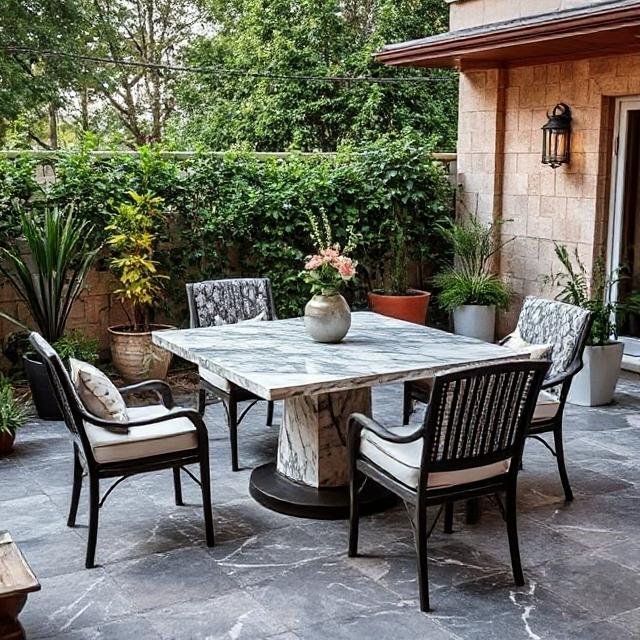
Pros and Cons of Indian Marble
Pros:
- Durability: Indian marble is harder and less porous, making it more resistant to scratches, wear, and staining. It makes it an excellent choice for high-traffic areas like restaurants and office areas and for applications like Italian vs. Indian marble kitchen countertops.
- Cost-Effectiveness: Indian marble is much more affordable. The Italian vs. Indian marble price is a major factor for many homeowners, with Indian varieties offering a luxurious look without the hefty price tag. The lower cost is a result of it being locally sourced, which also reduces transportation costs and environmental impact.
- Variety: It is available in a diverse range of colors, from pure whites and earthy tones to dramatic greens and intricate patterns.
Cons:
- Aesthetics: It is beautiful; it generally has a less translucent and glossier finish compared to Italian marble. Its veining patterns are often less dramatic and uniform.
- Perceived Value: It may not have the same level of prestige as imported Italian varieties.
Key Differences and Considerations
| Feature | Italian Marble | Indian Marble |
| Origin | Imported from Italy | Locally sourced in India |
| Price | Ranges between ₹250 and ₹10,000+ per sq ft | Ranges between ₹50 and ₹250 per sq ft |
| Durability | It is prone to scratches and cracks | It is harder, more durable, and more resistant to wear. |
| Luster | High, crystal-like, and translucent | Moderate, with a softer sheen |
| Maintenance | It requires frequent sealing and care | It is less frequent sealing. |
| Common Use | Decorative features, low-traffic areas | Flooring, countertops, high-traffic areas |
While understanding Italian vs. Indian marble On Reddit forums, the homeowners, interior designers, and architects often weigh the Italian vs. Indian marble pros and cons, with many concluding the best choice depends on the needs. However, it is durable, cost-effective, and low-maintenance; Indian marble gives exceptional value.
Conclusion
Italian vs. Indian marble has a classic trade-off between premium aesthetics and functionality. Italian marble disadvantages are tied to high cost and delicate nature, making it a high-maintenance choice. Indian marble is an affordable choice that does not compromise on beauty or quality, making it a perfect fit for a wide range of applications. The choice depends on the project’s requirements, budget, and preferences.
FAQs
Is Italian marble natural?
Yes, Italian marble is a natural metamorphic rock formed from limestone, quarried from the mountainous regions of Italy.
Is Italian marble good for a kitchen countertop?
While Italian marble is beautiful, its softness and porous nature make it more susceptible to etching and staining from acidic foods and liquids. Many people prefer a harder stone like Indian marble, granite, or quartz for italian vs indian marble kitchen countertops, though proper sealing can help mitigate some of these issues.
What is the major difference in cost between Italian and Indian marble?
The italian vs indian marble cost is the most significant difference. Italian marble, being an imported premium product, can be anywhere from 3 to 10 times more expensive than Indian marble. This price gap accounts for the cost of the stone itself, transportation, and specialized installation.

