
Natural stone countertops, feature walls, and architectural details carry millions of years of earth history into modern interiors. Yet behind every mirror-polished kitchen island or bookmatched bathroom surround lies a fascinating journey across continents, deep quarry extraction methods, and distinctive regional geology.
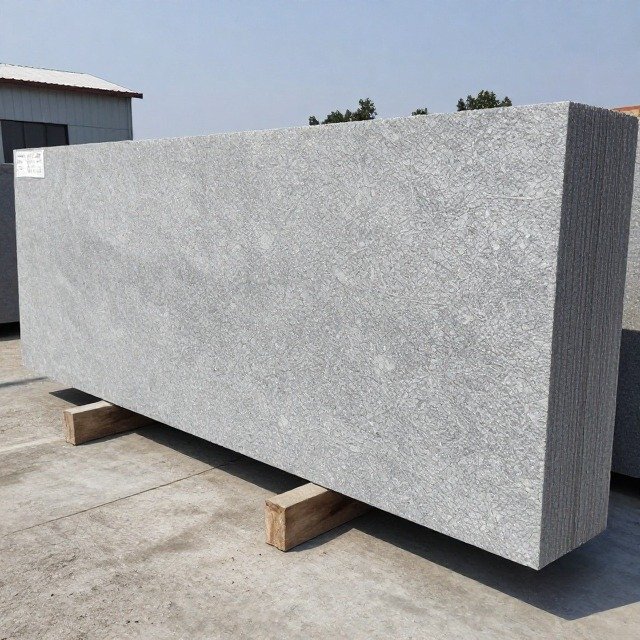
While hundreds of countries quarry stone, three nations dominate luxury residential and commercial architecture: India, Italy, and Brazil. Understanding where your stone originates, how its geological conditions shape its performance, and what each region does best will help you specify with confidence.
1. India: The Powerhouse of Granite and Exotic Quartzites
Geological Background & Extraction Hubs
India sits atop some of the planet’s oldest continental crust, particularly the Precambrian crystalline shields of the Deccan Plateau and southern peninsular states. This ancient geology has subjected mineral deposits to immense heat and pressure over billions of years, yielding exceptionally dense, low-porosity igneous and metamorphic rock.
Key quarrying hubs include:
- Rajasthan (North India): The center for white marbles (such as Makrana, famously used in the Taj Mahal), sandstones, and green serpentinites.
- Karnataka, Andhra Pradesh, & Tamil Nadu (South India): The premier epicenter for architectural granites, black basalts, and durable quartzites. Famous varieties include Absolute Black (Khammam), Tan Brown (Karimnagar), and Kashmir White (Madurai).
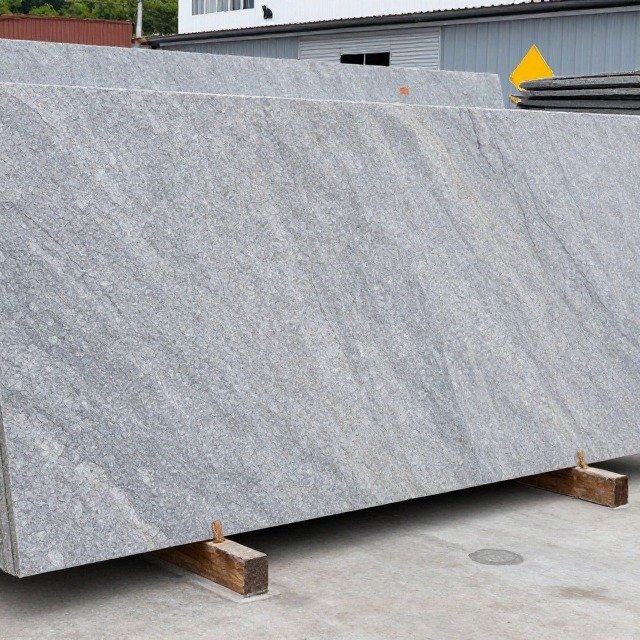
Defining Characteristics
- Supreme Density and Hardness: Indian granites consistently rank among the most structurally dense stones on the market. They are naturally resistant to deep thermal shock, scratching, and moisture penetration.
- Consistent Granular Texture vs. Sweeping Veins: While northern marbles offer crystalline softness, southern granites are known for tight crystalline matrixing, speckling, and rich, deep color saturation.
- High-Yield Availability: India boasts massive quarry formations, making it the global benchmark for large-format project consistency where color matching across thousands of square feet is critical.
Best Used For
- High-traffic residential kitchen countertops
- Exterior cladding, plaza paving, and commercial flooring
- Heavy-wear utility spaces, outdoor kitchens, and prep surfaces
2. Italy: The Cradle of Classical Marble & Artisanal Heritage
Geological Background & Extraction Hubs
Italy’s natural stone heritage is tied directly to the formation of the Apennine Mountains and the Mediterranean basin. Over 100 to 200 million years ago, marine sediment and limestone reefs were compressed and recrystallized through intense regional tectonic uplift, turning calcified seabed deposits into metamorphic marble.
Key quarrying hubs include:
- Carrara & the Apuan Alps (Tuscany): The spiritual home of white and grey statuary marbles, including Bianco Carrara, Calacatta, and Statuario.
- Verona & Veneto: Famous for Breccia Pernice, Rosso Verona, and ancient limestone reserves.
- Tivoli (Lazio): The historical origin of Roman Travertine, formed by geothermal mineral springs bubbling through limestone beds.
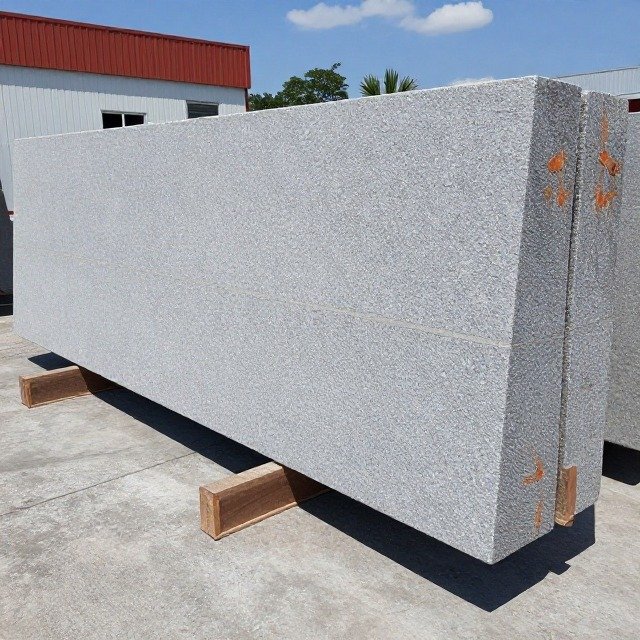
Defining Characteristics
- Pure Calcite Recrystallization: Italian marbles are celebrated for fine, crystalline calcite matrices that permit light penetration just beneath the surface, giving the stone its iconic, glowing translucency.
- Artisanal Processing & Precision Finishing: Italian stone yards lead the world in multi-axis gang-sawing, vacuum resin impregnation, and museum-grade bookmatching.
- Expressive, Dramatic Veining: Ranging from the feather-soft grey whispers of Carrara to the bold, warm honey and charcoal ribbons of Calacatta Gold.
Best Used For
- Primary bathroom sanctuaries and walk-in shower slabs
- Statement fireplace mantels and low-traffic formal kitchen islands
- Interior wall paneling, vestibules, and furniture pieces
3. Brazil: The Frontier of Exotic Quartzite & Pegmatite Wonder
Geological Background & Extraction Hubs
Brazil is the undisputed global capital of exotic natural stones—particularly genuine quartzites, pegmatites, and ornamental granites. The geological engine here is the Atlantic Shield, a complex tectonic fold belt containing vast sandstone deposits that underwent extreme regional metamorphism alongside molten mineral veins.
Key quarrying hubs include:
- Espírito Santo: The processing and extraction capital for high-end quartzites, schist, and ornamental granites.
- Minas Gerais & Bahia: Known for rare pegmatite intrusions that create gemstone-bearing slabs containing blue sodalite, tourmaline, mica, and feldspar.
Defining Characteristics
- Extreme Hardness (Quartzite): Brazilian quartzites originate as pure quartz sandstone. Under tectonic heat and compression, individual quartz grains fuse into a crystalline network that registers a 7 on the Mohs scale—harder than knife-grade steel and naturally resistant to acid etching from citrus or wine.
- Vivid, Unconventional Color Palettes: Brazil produces slabs in hues rarely found elsewhere: oceanic greens (Emerald Green), electric blues (Azul Macaubas), crystalline whites with charcoal sweeps (Mont Blanc, Taj Mahal), and translucent golds (Patagonia).
- Gemological Complexity: Slabs like Patagonia feature translucent quartz clusters interspersed with feldspar blocks and dark tourmaline needles, creating natural lightboxes when backlit with LEDs.
Best Used For
- Kitchen countertops requiring the look of marble with superior durability
- Backlit bar faces, island cascades, and floating vanities
- Luxury dining tables and dramatic focal-point feature walls
Regional Comparison Matrix
| Attribute | India | Italy | Brazil |
| Primary Stone Types | Granites, Hard Quartzites, Sandstones | Marbles, Travertines, Limestones | Exotic Quartzites, Pegmatites, Granites |
| Dominant Visual Signature | Deep jewel tones, rich blacks, speckled matrices | Classical white grounds, refined grey/gold veining | Gemstone colors, crystal windows, high contrast |
| Acid / Etch Resistance | Very High (Granite/Quartzite) | Low to Moderate (Calcite-based) | High to Very High (Genuine Quartzite) |
| Scratch Resistance | High (Mohs 6–7) | Moderate (Mohs 3–4) | Extremely High (Mohs 7) |
| Ideal Project Application | High-traffic counters, commercial floors, exteriors | Spa bathrooms, vertical focal points, heritage interiors | Statement kitchen islands, backlit bar tops, luxury surfaces |
The Supply Chain: From Quarry Face to Installed Slab
Regardless of whether a slab originates in Carrara, Karnataka, or Vitória, it follows a rigorous supply chain:
- Extraction (Bench Quarrying): Massive diamond wire saws and water jets slice 20- to 40-ton blocks directly from the mountain face without blasting.
- Squaring & Transport: Blocks are inspected for structural integrity, trimmed into uniform cubes, and hauled to specialized stone processing hubs.
- Multi-Wire Slicing: Modern gang saws fitted with diamond-impregnated steel wires slice the giant block into slabs typically 2cm or 3cm thick.
- Resin Infusion & Netting: Slabs receive an epoxy-resin vacuum treatment to fill natural micro-fissures, backed by a fiberglass mesh net for structural support.
- Finishing: Diamond-grit polishing heads produce the final surface: high-gloss polished, tactile honed, or textured leathered/brushed finishes.
- Container Shipping & Slab Yards: Slabs are secured in ocean shipping A-frames and dispatched to distributors worldwide for custom fabrication.
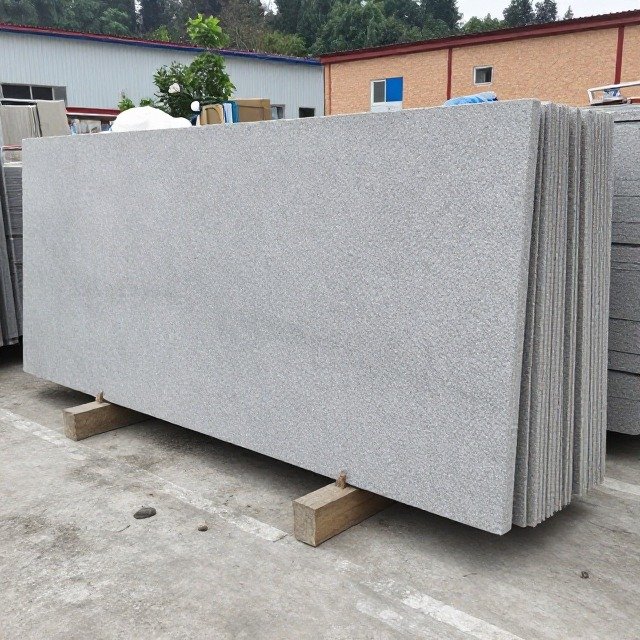
Conclusion
Every natural stone slab is a unique, unrepeatable slice of earth’s tectonic memory. When choosing between Indian, Italian, and Brazilian stones:
- Choose India when structural resilience, deep crystalline depth, and heavy-use reliability are paramount.
- Choose Italy when seeking unmatched classical elegance, historic pedigree, and luminous marble translucency.
- Choose Brazil when demanding showstopping drama, exotic color palettes, and the bulletproof performance of genuine crystalline quartzite.
By matching the inherent geological traits of each region to the functional demands of your space, you ensure a surface that endures beautifully for generations.
Frequently Asked Questions (FAQs)
1. Is Brazilian quartzite better than Italian marble for kitchen countertops?
For high-traffic, functional kitchens, yes. Brazilian quartzite is composed of fused quartz crystals (Mohs hardness ~7) and does not react to acidic foods like lemon juice or vinegar. Italian marble is primarily calcium carbonate (Mohs hardness ~3–4), making it susceptible to scratching and acid etching unless diligently sealed and maintained.
2. Why are Italian marbles often more expensive than Indian granites?
Pricing is driven by rarity, extraction difficulty, yield rates, and historical demand. Italian quarries in the Apuan Alps face strict environmental quotas, hazardous high-altitude logistics, and a low yield of defect-free, premium-grade Calacatta or Statuario blocks. Indian granites, while structurally superior, are quarried in massive, highly accessible volumes, keeping production costs more competitive.
3. Does “Absolute Black” granite always come from India?
The highest grade of true Absolute Black granite comes from Southern India (particularly Andhra Pradesh and Tamil Nadu). While black gabbro and basalt stones are quarried in Africa and China, Indian Absolute Black is prized globally for its consistent fine grain, lack of mineral voids, and rich obsidian tone without artificial dyes.
4. How do I verify that my Brazilian slab is true quartzite and not marble?
Perform a simple scratch and acid test on a remnant piece. True quartzite will easily scratch a glass bottle without dulling and will not bubble or etch when exposed to lemon juice or white vinegar for 10 minutes. If it scratches easily or dulls under acid, it is likely dolomitic marble mislabeled as quartzite.
5. What maintenance is required for imported natural stone slabs?
All natural stone requires baseline care:
- Sealing: Apply a high-quality penetrating (impregnating) sealer upon installation and reapply every 1–3 years depending on stone porosity.
- Cleaning: Use pH-neutral stone cleaners or warm water with mild dish soap; avoid abrasive powders, bleach, or acidic cleaners.
- Prevention: Use trivets for hot cookware and cutting boards for meal preparation to protect both stone sealant and knife edges.

